


Empowerment Therapy Institute
training empathy and empowerment practitioners around the world
Empowerment Therapy is for those of us who want to accompany others on the journey towards equilibrium, wholeness, and connection with their authentic self. It supports us in helping our clients identify, trust, and endeavor to meet their needs because when our needs are met, we thrive!
What is Empowerment Therapy?

Marshall Rosenberg

Carl Rogers
Grounded in the work of Marshall Rosenberg and Carl Rogers, Empowerment Therapy is founded on the fulfillment of universal human needs. The underlying principle is that when our needs are met, we feel and do well.
Most people seek help because they have unmet needs that they struggle to identify and express. They may experience malaise, but can only account for it in general terms. “My teenage son doesn’t listen.” “My partner is distant.” “I’m unhappy at my job.” Even when they can transform cognitive distortions, they are not necessarily able to identify their needs and ask for what they want. The reason for this has to do with early disconnection from needs compounded with self-judgment and conditions of worth. Trauma and domination systems further limit their ability to build fulfilling lives. Thus, our work has three aims: healing, liberation and empowerment. Beyond symptom reduction, we help people to be happy and thrive.

Empowerment Therapy Program
not just for therapists
Level 1: Foundation
Thursdays
9:00 - 10:30 am Central Time
8th January 2026
Level 2: Empowerment Processes
Tuesdays
7:00 - 8:30 pm Central Time
6th January 2026
Empowerment Therapy is for therapists, coaches, and anyone who wants to do Empowerment work — help others create more satisfying relationships and build more fulfilling lives.
Empowerment practitioners don’t need a mental health background. Yet, while the work is therapeutic, it’s not a substitute for professional psychotherapy.
In our program, we develop practitioners who go out in the world and accompany people without access to support services.
Program Levels

Introduction to the principal tenets, key differentiation, therapeutic attitudes, and needs-based interventions.

Level 2: Empowerment Processes*
Learning and application of Empowering Thoughts and Language — these are therapeutic processes that the practitioner can share with clients when pertinent, relevant and timely.
*By studying some key concepts, people can take Level 2 before Level 1.

A year-long study to prepare for certification as a practitioner and, in some cases, as a trainer.
Throughout the program, we foster the personal development of the participants in the safety of a close-knit learning community. We engage in processes that bring about healing and growth. At the end of the course, participants often report deeper self-connection, and increased self-acceptance and self-confidence.
In addition to the regular sessions, we invite group members to attend a weekly session where they practice empathic listening and apply ET therapeutic interventions and processes. This is a space for learning, connection and community.
Testimonials
-
![Middle-aged woman with blonde hair, red lipstick, red earrings, wearing a red blazer, smiling against a red background.]()
Empowerment Therapy enables me to approach my clients with a level of sensitivity and close-to-home quality that helps them feel seen, heard, and at ease right away.
Rev. Lindsey Turner
United States
-
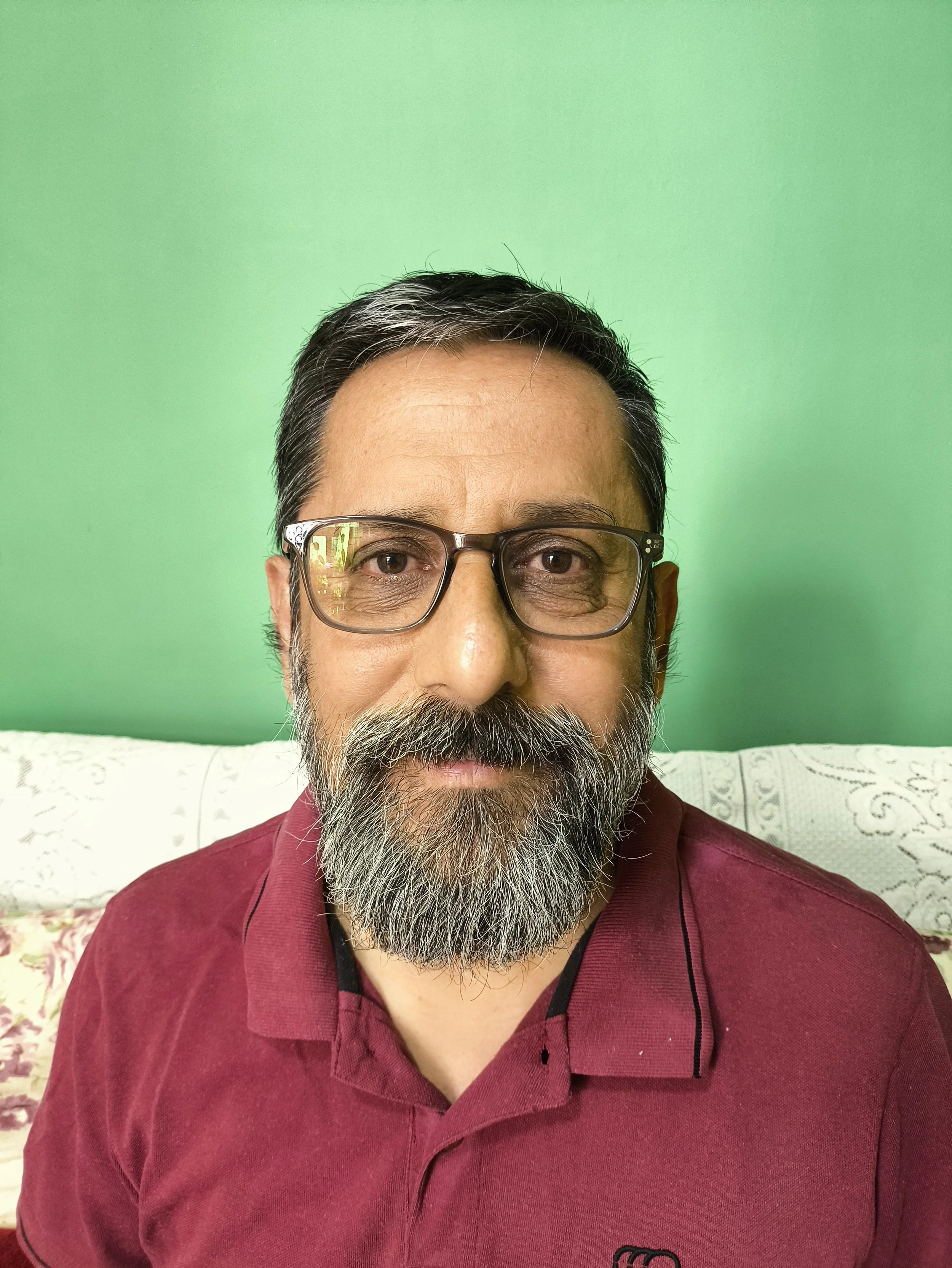
![A man with glasses and a salt-and-pepper beard wearing a maroon polo shirt, sitting against a green wall.]()
Empowerment Therapy has roots in Myra’s quiet, steady presence. Being in her circle is like being gently held while I learn to hold the parents and children with whom I work with the same love.
Mukul S Gulati
India
-
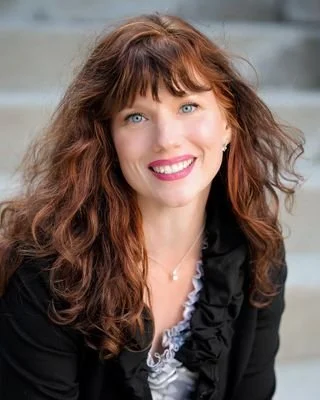
![A woman with long, wavy red hair and blue eyes smiling, wearing a black blazer and a light-colored blouse, outdoors with a blurred background.]()
Empowerment Therapy helps you to get out of your ‘head space’ and grounded into the power of your heart.
Cynthia Koskiewicz, LCPC, CADC
United States
-
![A woman with curly blonde hair, blue eyes, and light skin taking a selfie indoors.]()
The course has helped me deepen empathy and connect with clients reliably. I have learned new therapeutic concepts and tools. And I enjoy the group itself — a small community of people who want to help others.
Neve Cherry
United Kingdom


Frequently Asked Questions
-
I, Myra Walden, developed the model based on my own experience as a client in therapy with a Client Centered therapist, Dr. Marge Witty, my never-ending study of the human psyche, and over 30 years of practicing psychotherapy in community mental health centers and private practice. In 1998, I started studying Nonviolent Communication and began to incorporate the concepts into my life and therapy practice. In 2021, I codified my experience and developed a coherent therapy model. We will need research to demonstrate its effectiveness, gain credibility and broaden usage in the field. Below is my testimonial.
I was 28 years old. At a gathering of friends, each of us was to answer the question, “Where do you see yourself in 10 years?”
Myra: “I see myself divorced.”
Friend: “Myra, but you’re not even dating!”
No, I wasn't dating at the time, but I knew that if I were to get married, no one would put up with my temper for very long. My anger and reactivity were an aftereffect of the many years of severe lack of safety and respect I went through as a teenager that resulted in self-loathing and troubled relationships. As it turns out, I did not divorce.
At age 33, I sought psychotherapy and pursued my healing in earnest. The work bore fruit. My beloved late husband of 35 years, Peter, saw me through the angry stage, and we built a relationship of connection, closeness, and communion. Many of my dreams have come true: to have very close friends, to become a therapist, a goal I conceived at age 12 and pursued at 30; to give workshops for mental health professionals and write a book to share what I’ve learned, and more. In 2024, six years after Peter died, I met and married Kerry, a bright and loving man I adore. There are multiple factors that contributed to these outcomes, not the least of which were receiving nondirective therapy and finding a needs-based compass to guide me in building a fulfilling life. And that’s what I want to share with others.
-
No. It is for mental health professionals and anyone who wants to learn to accompany others in their journey of healing, growth and fulfillment, even if they don’t have a background in mental health.
This approach is grounded on Carl Rogers’ seminal paper The Necessary and Sufficient Conditions of Therapeutic Personality Change. In it, Rogers describes the attitudes necessary to develop a therapeutic relationship. And, as we understand from the research, the most important aspect of therapy is the relationship between the therapist and the client. ET offers comprehensive guidelines to build the therapeutic alliance. At the same time, we make it clear that our work is not a substitute for professional psychotherapy.